Last week, I accompanied 52 Grade 9 (MYP 4) students and 5 colleagues on a unique field experience to support an interdisciplinary unit between English and Individuals & Societies. The unit focuses on memorialising conflict, with a link to SDG 16: Peace, Justice and Strong Institutions. We explore the concepts of time, place and space; audience imperatives; context; purpose; culture; and perspective, through the global context lens of fairness and development. At the end of the unit, students complete a design and pitch (to a simulated audience of Westminster Council) for a memorial to go on the Fourth Plinth in Trafalgar Square, based on a conflict of their choice. It's a wonderful example of authentic assessment, and every year the products that students create impress me more than the year before.
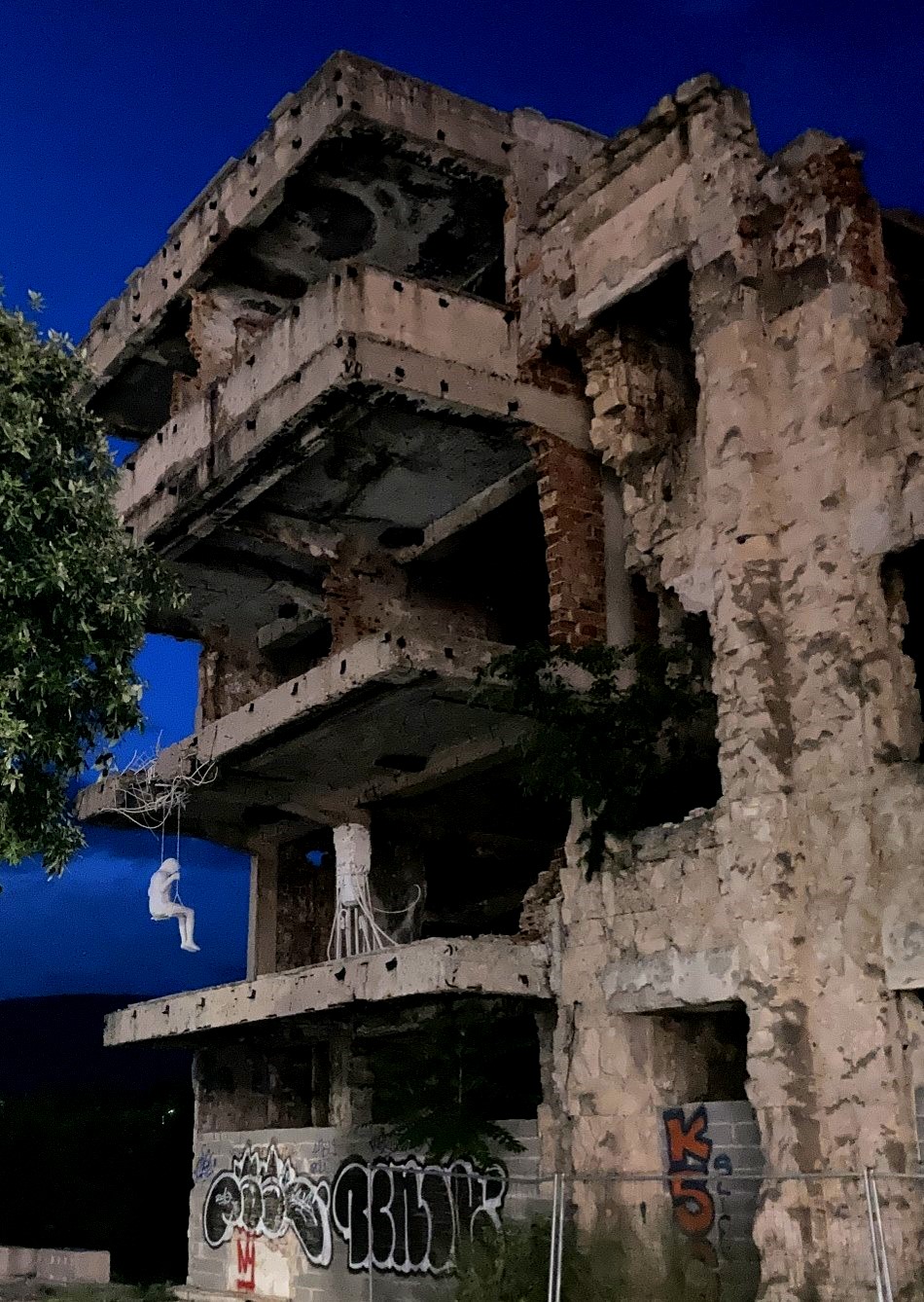
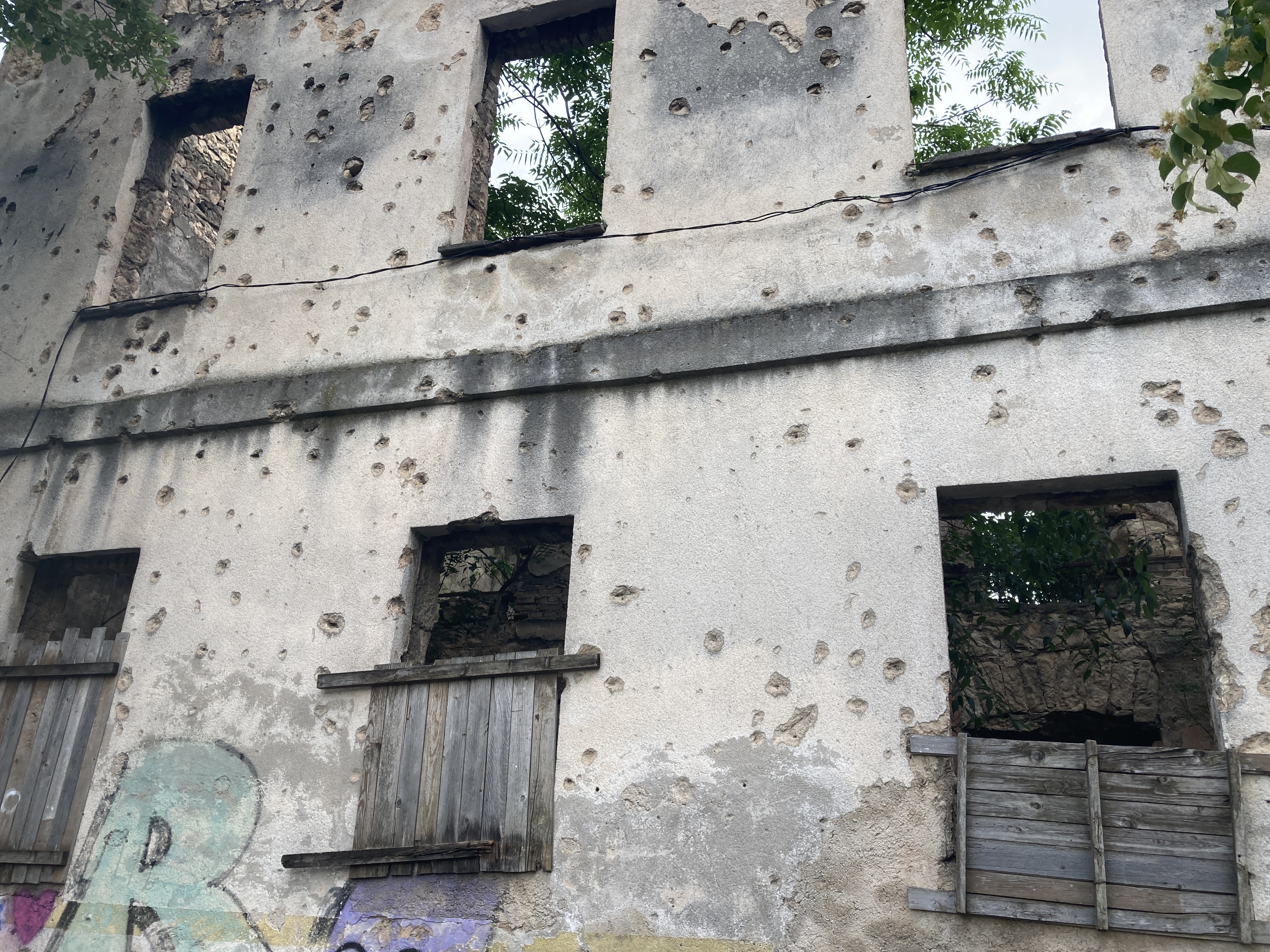
For many years, we have offered students the opportunity to travel to the World War I battlefields of Northern France and Belgium as an enrichment to the unit, allowing them to put the concepts into context. But this year we tried something different. We ventured a little further afield to explore a part of Europe that has seen more recent conflict, the impact of which is still very visible on the landscape and in the local communities. We spent four days in Bosnia and Herzegovina, guided by the following inquiry questions:
- How and for what purposes do societies memorialise conflicts?
- What role do strong institutions have in the creation of memorials?
- How do we communicate and express issues/events/conflicts through memorials?
- What long lasting messages are given by the choice of memorial?
- What makes it right to memorialise one issue/event/conflict but not another?
We probably came away with more questions than answers, but isn't that the purpose of a good inquiry?
The idea for this trip had been in my head since 2017. It was at Wellington College's Festival of Education that June that I stumbled upon a session called Remembering Srebrenica. I am ashamed to admit it, but, whilst I remember the conflict in Kosovo, I had not heard about Srebrenica at the time that it happened; I was 15, so I was either sheltered from it due to the narrow outlook on the rest of the world that my small town news presented or it simply did not register on my teenage radar. So I attended the session with the aim of educating myself more about this period in history -- a period which still feels very recent. The systematic killing of Bosnian Muslim boys and men was Europe's worst atrocity since World War II. Although not as extensive as the Holocaust, it remains a shocking crime against humanity. Why didn't I know about it? And what could I do to educate my students about it?
After considering the idea for a few years, I began planning the trip in autumn 2019 for October 2020. But two lockdowns and a period of political unrest in the Balkans caused multiple postponements. When the possibility of going to Bosnia arose yet again this year, I was at a point where I was running out of the time and energy needed to continue planning. Fortunately, a colleague enthusiastically took over and I joined as a chaperone. Thanks to her excellent logistical planning this year, we finally made a success of the trip.
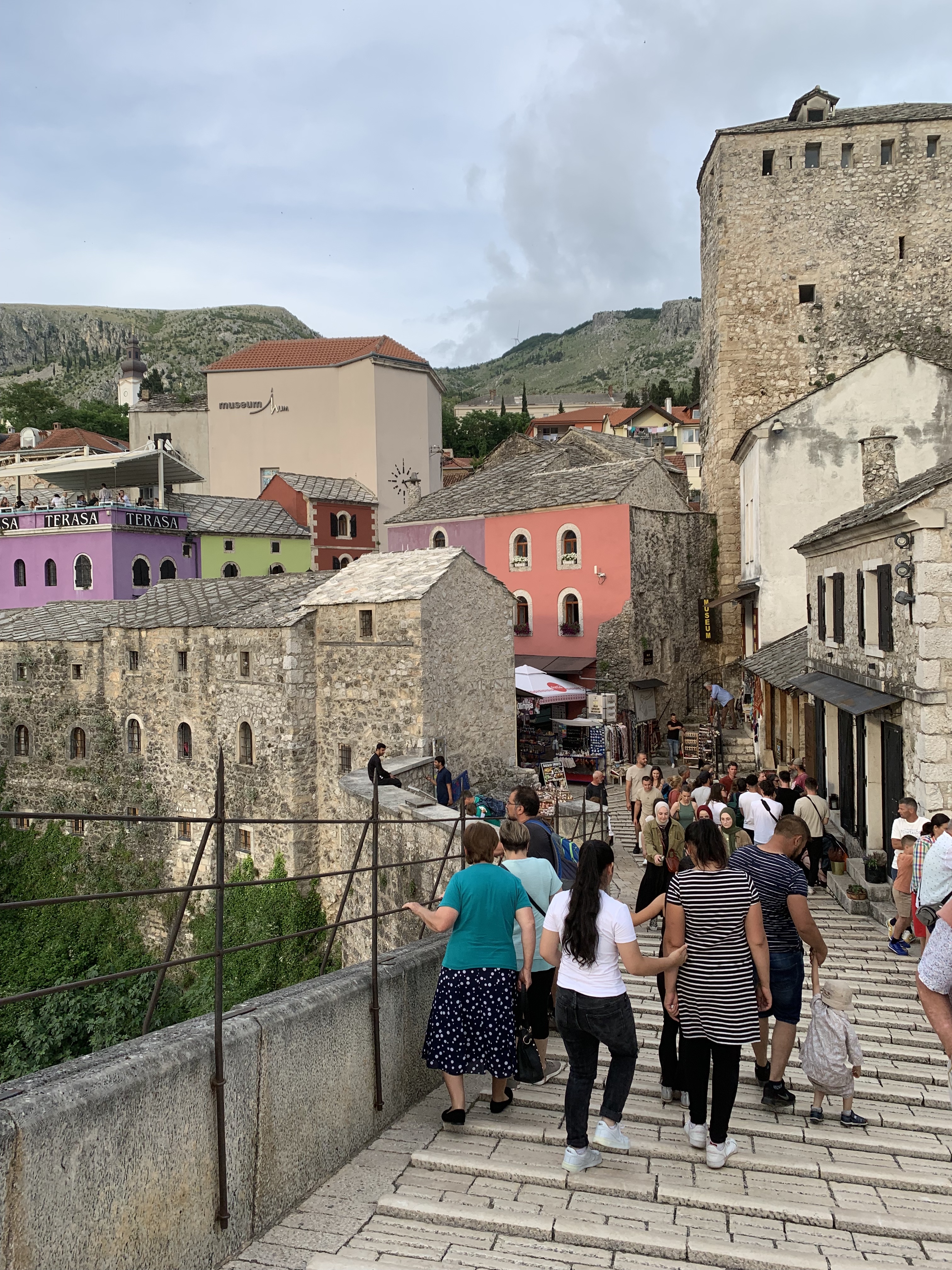
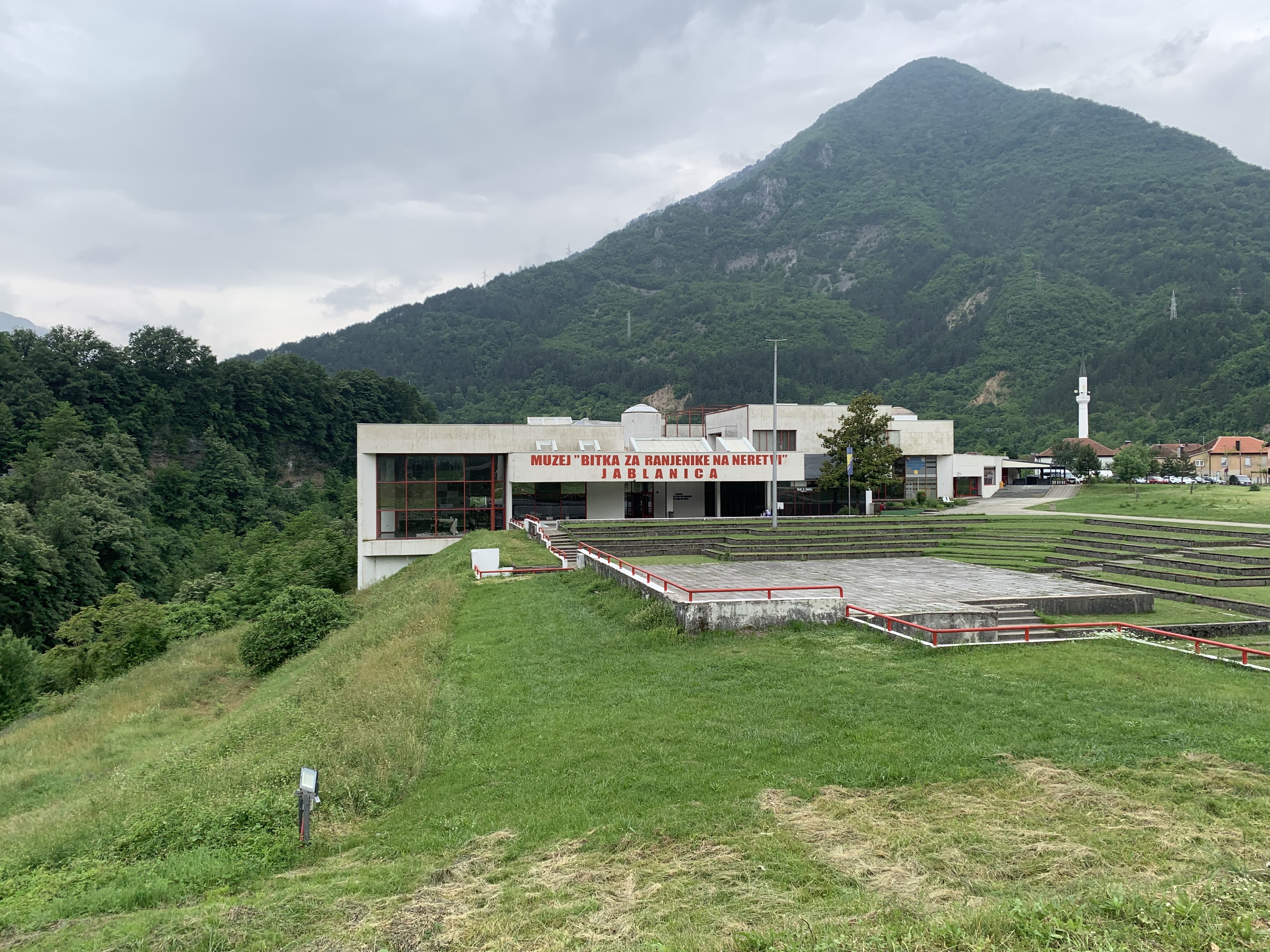
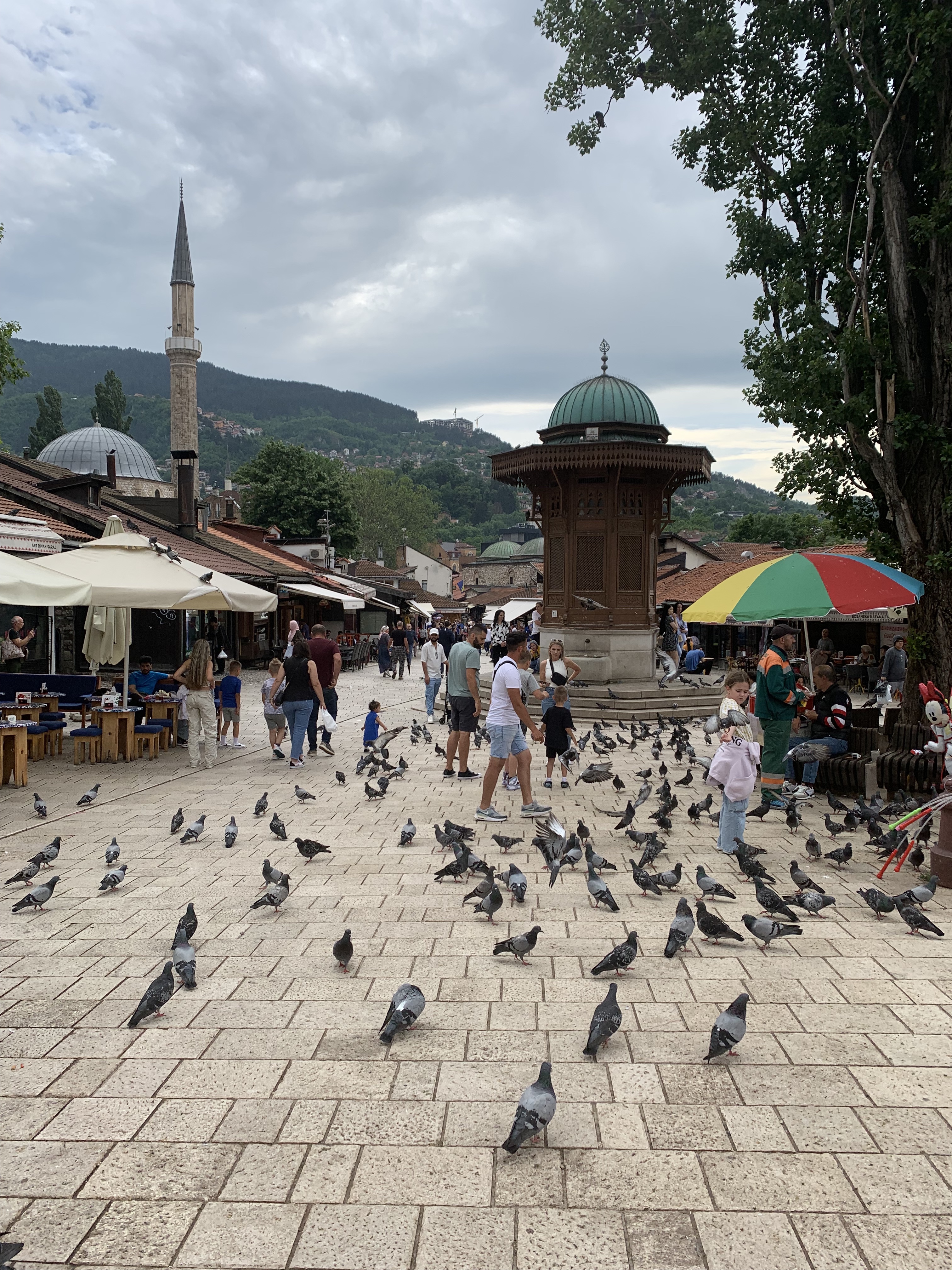
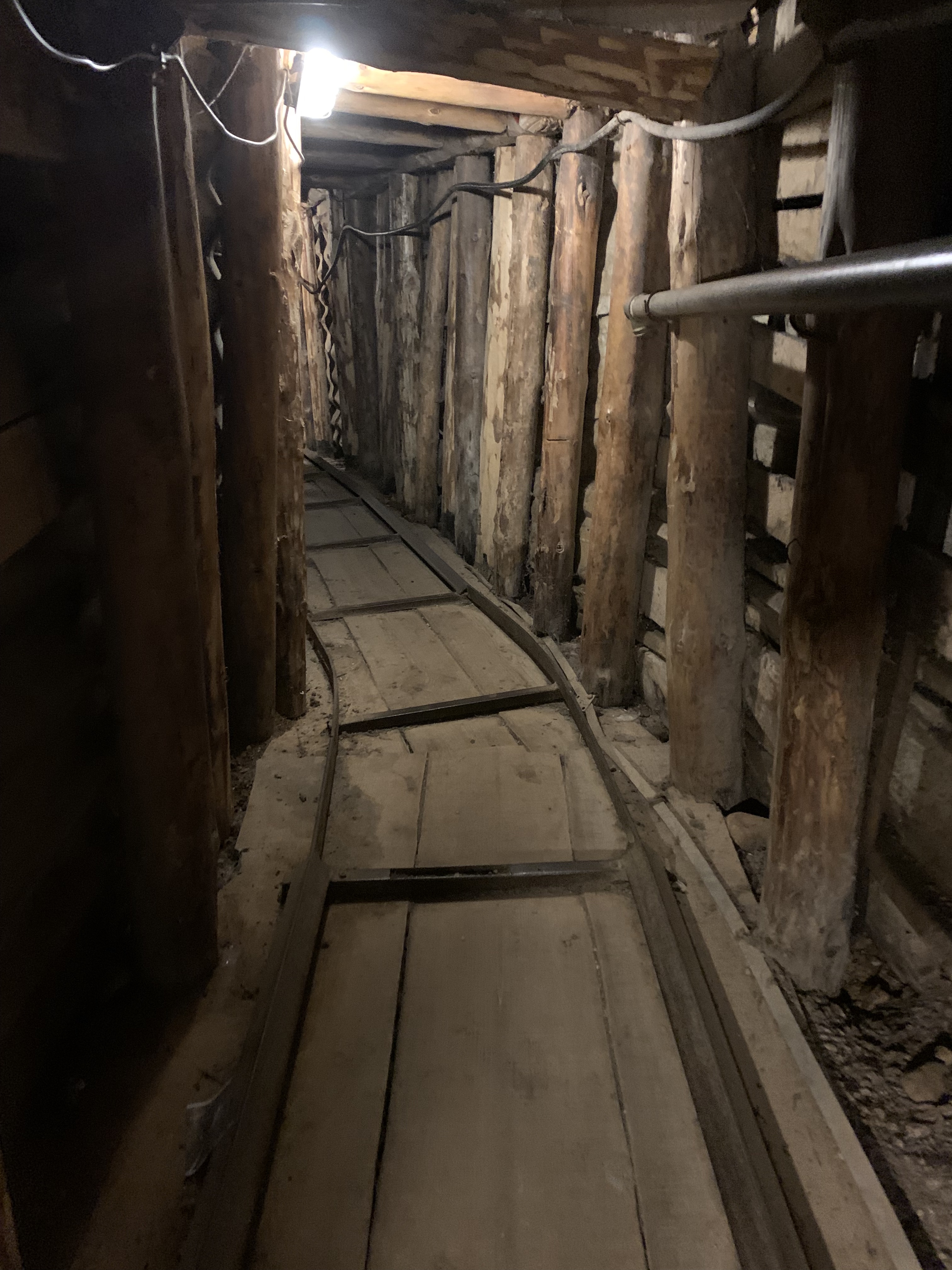
It was an incredibly moving experience. We visited Mostar Bridge, which was rebuilt after it was completely destroyed in 1993 amidst the conflict that tore apart the former Yugoslavia. En route to Sarajevo, we stopped at the Jablanica Museum; their mission statement describes the museum as "dedicated to preserving the memory of the anti-fascist battle that took place in the Second World War... Through permanent and temporary exhibitions, we educate visitors about the past in order to build a better future." We explored the Sarajevo war tunnels and toured Sarajevo Old Town, including the famous Sarajevo Roses and the site of the assassination of Archduke Franz Ferdinand, an event which most historians view as the most immediate cause of World War I.
But the main highlight was a talk by a survivor at the Srebrenica Memorial Centre. The battlefields trip is interesting, but looking back at an event that took place over 100 years ago, without any living testimony, doesn't allow for such a personal connection to the event. Students who had previously pushed the boundaries of acceptable behaviour suddenly sat bolt upright, listening attentively as Hasan shared his story of suffering and grief but, ultimately, resilience. When he finished, they sat in reflective silence for about five minutes. It was definitely a lesson in practising empathy, a moment when we could see those approaches to learning in real life, not just as a tick-box on a unit planner. (If you are interested in Hasan's story, you can read about it here.)
This was an ambitious trip, and we were obviously very lucky to have the resources to deliver one on this scale. But a field experience doesn't need to be this far off the beaten path. Getting students out into the local area to investigate real world issues is a powerful means of developing interdisciplinary understanding.